
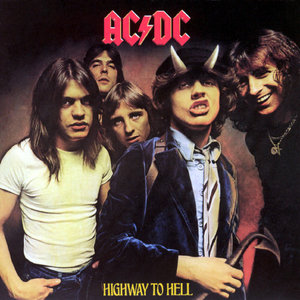
Highway to Hell
By AC/DC
The Story
Released on July 27, 1979, Highway to Hell marked a turning point for AC/DC and became the band’s breakthrough on a global scale. It was their sixth studio album and the final one to feature lead singer Bon Scott. After years of constant touring and steady releases, the band aimed to create a more focused and accessible record without losing the raw energy that defined their sound. To achieve this, they worked with producer Robert John 'Mutt' Lange for the first time, a collaboration that would significantly shape the album’s clarity and structure.
The recording sessions emphasized tighter arrangements, cleaner guitar tones, and more defined vocal production. Lange encouraged the band to refine their songwriting, focusing on groove, repetition, and strong hooks. While AC/DC had already built a reputation for straightforward, riff-driven rock, Highway to Hell presented a more polished version of that formula, making the songs more immediate while maintaining their core identity.
The title track Highway to Hell opens the album with a steady, mid-tempo riff that became one of the band’s most recognizable signatures. Its structure is direct and memorable, balancing rhythm and space. Girls Got Rhythm and Walk All Over You continue the groove-driven approach, combining tight guitar work with controlled pacing. Touch Too Much introduces a more melodic edge, reflecting the band’s refined songwriting during this period.
Beating Around the Bush draws from blues influences, while Shot Down in Flames returns to a more straightforward rock structure. Get It Hot and If You Want Blood (You've Got It) maintain the album’s consistent tempo and rhythmic focus. Love Hungry Man provides a slight shift in tone with a slower groove, before Night Prowler closes the album with a more restrained and atmospheric feel.
Highway to Hell balances raw energy with more precise production. The album’s consistent pacing and focused arrangements create a cohesive listening experience, with each track built around strong riffs and steady rhythm. The collaboration with Mutt Lange helped define a clearer and more accessible sound, allowing AC/DC to reach a wider audience while preserving their core style. As Bon Scott’s final album with the band, it captures AC/DC at a crucial moment, refining their approach and setting the stage for the massive success that followed.