
The Eminem Show
By Eminem
The Story
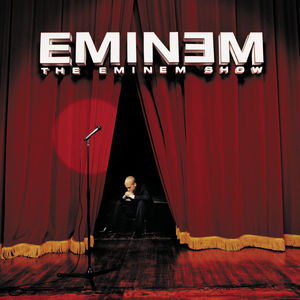
Released on May 26, 2002, The Eminem Show arrived at a point when Eminem had become one of the most prominent figures in popular music. Following the success and controversy of his previous albums, the record reflects a shift toward more direct personal commentary alongside the exaggerated Slim Shady persona. Eminem took a larger role in production, shaping much of the album’s sound and creating a cohesive structure framed as a theatrical performance, introduced and concluded by curtain-themed skits.
White America opens with commentary on race, media attention, and the cultural impact of Eminem’s rise. The track sets the album’s tone, blending personal reflection with broader social observation. Business follows with a lighter, more playful delivery, while Cleanin' Out My Closet shifts into autobiographical territory, addressing family conflict and personal resentment. Square Dance continues with political and social references, reflecting the album’s broader scope.
Soldier and Say Goodbye Hollywood explore the pressures of fame and the loss of privacy. Without Me became one of the album’s most recognizable tracks, returning briefly to a satirical tone and reinforcing Eminem’s public persona. Sing for the Moment samples rock instrumentation and reflects on music’s influence and controversy, connecting Eminem’s work to broader cultural debates.
Superman and Hailie's Song introduce more personal themes, focusing on relationships and family. Hailie's Song in particular offers a more melodic and reflective tone, emphasizing Eminem’s role as a father. When the Music Stops and Say What You Say return to group performance and lyrical confrontation. Till I Collapse builds toward the album’s climax, emphasizing determination and endurance.
My Dad's Gone Crazy closes the musical portion with a lighter tone, followed by Curtains Close, which completes the theatrical framing. Across the album, Eminem balances satire, personal reflection, and commentary on fame. The Eminem Show captures a period where he addressed public perception more directly while maintaining elements of the Slim Shady character. The record blends autobiographical material with broader cultural themes, presenting a structured and reflective portrait of Eminem during the height of his mainstream success.