
logologo
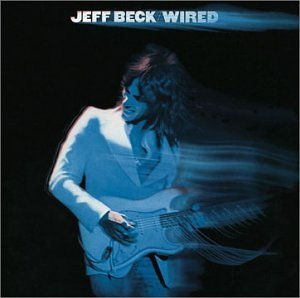
Wired album cover

Wired

By Jeff Beck

  • Masterpiece badge
Released
May 1, 1976

Genres

  • jazz rock
  • fusion
  • instrumental rock

The Story

Released in May 1976, Wired followed the success of Blow by Blow and continued Jeff Beck’s exploration of instrumental jazz-rock fusion. While the previous album leaned toward melodic and polished arrangements, Wired adopted a more energetic and technically driven approach. Beck worked with a lineup of session musicians including keyboardist Jan Hammer, whose synthesizer work became central to the album’s sound. The result emphasized fast tempos, tight rhythmic interplay, and layered instrumentation built around guitar and synthesizer dialogue. Led Boots opens the album with a fast, aggressive groove that highlights Beck’s phrasing alongside Hammer’s synthesizer lines. Come Dancing follows with a funk-influenced rhythm and melodic interplay. Beck’s interpretation of Charles Mingus’s Goodbye Pork Pie Hat introduces a more restrained tone, focusing on expressive guitar phrasing over a slower arrangement. Head for Backstage Pass returns to a quicker pace, combining dynamic shifts and tight ensemble playing. Blue Wind, composed by Jan Hammer, features rapid exchanges between guitar and synthesizer, reflecting the album’s technical intensity. Sophie slows the tempo, emphasizing melody and atmosphere. Play with Me introduces complex rhythmic patterns and high-energy performance, while Love Is Green closes the album with a softer, layered composition that contrasts with the preceding intensity. Wired emphasizes precision, speed, and interaction between guitar and synthesizer. The album blends jazz fusion complexity with rock-driven energy, highlighting Beck’s expressive playing in an instrumental format. Compared to Blow by Blow, the record leans more heavily into technical interplay and faster pacing, presenting a more aggressive continuation of Beck’s fusion period.

What They Thought Then

Billboard - June 19, 1976

"Beck can be effective as a fast, flash guitarist or a slow moody one"

Billboard made 'Wired' a Spotlight pick, emphasizing Beck's range across rock, blues and jazz and noting the album's mix of varied tempos and guitar techniques.

Cash Box - June 19, 1976

"sure to smoke the sock off the progressive rock listeners as well"

Cash Box highlighted Beck's increasingly sensitive playing, singled out 'Head For Backstage Pass' and 'Goodbye Pork Pie Hat,' and praised Jan Hammer's synthesizer interplay.

Record World - June 19, 1976

"The subtlety of 'Blow By Blow' has given way to a more direct approach."

The review described Beck's guitar statements as more forceful, labeled 'Come Dancing' a disco tune, and characterized much of the second side as standard jazz/rock.

The University Daily - June 30, 1976

"Each song is an adventure in unexplored territory"

The Texas Tech newspaper praised the album's instrumental experimentation, calling its pieces full of new ideas and comparing Beck's solos with Les Paul, Hendrix and Blackmore.

Rolling Stone - July 29, 1976

John Swenson

"should finally attract the recognition he deserves"

Swenson argued that 'Wired' realized a style Beck had pursued for years, praising the fuller recording, Jan Hammer collaboration and Beck's continuing fire and imagination.

Stereo Review - October 1976

Joel Vance

"combine the worst excesses of both"

Vance attacked the album's jazz/rock passages as riff-heavy and pyrotechnic, but praised the more jazz-oriented material and called Beck a guitarist of taste, thought and delicacy.

Record Mirror - May 29, 1976

David Brown

"changed his surroundings to give him some fresh scope"

Brown reviewed Beck's surprise Roundhouse appearance with Jan Hammer's group, hearing a new setting of bass, drums, keyboards and electric violin shortly before the 'Wired' tour.