
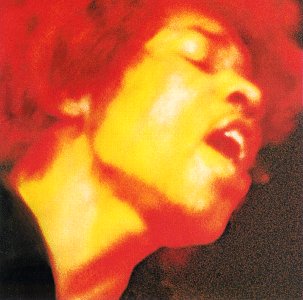

The Story
Released on October 16, 1968, Electric Ladyland was the third studio album by the Jimi Hendrix Experience and the only one produced primarily by Jimi Hendrix himself. The sessions were expansive and experimental, taking place over several months with a rotating group of musicians in addition to Experience members Noel Redding and Mitch Mitchell. Hendrix used the studio as a creative tool, layering guitars, experimenting with effects, and exploring extended compositions. The result was a double album that blended blues, psychedelic rock, improvisation, and atmospheric soundscapes.
...And the Gods Made Love opens with studio effects and transitions into Have You Ever Been (To Electric Ladyland), which introduces layered vocal harmonies. Crosstown Traffic follows with a concise, riff-driven structure. Voodoo Chile expands into a long blues-based jam recorded with guest musicians, emphasizing improvisation and interplay. Little Miss Strange, written by Noel Redding, provides contrast with a shorter arrangement.
Long Hot Summer Night and Come On (Part I) return to tighter structures, while Gypsy Eyes emphasizes layered guitar work. Burning of the Midnight Lamp introduces orchestral textures and studio experimentation. Rainy Day, Dream Away transitions into the extended piece 1983... (A Merman I Should Turn to Be), which blends atmospheric sound design with shifting sections. Moon, Turn the Tides...Gently Gently Away continues the ambient tone.
Still Raining, Still Dreaming returns to a groove-based jam, followed by House Burning Down, which combines layered guitar textures with heavier rhythm. Hendrix’s interpretation of All Along the Watchtower became one of the album’s most recognized tracks, built around carefully layered instrumentation. The closing track, Voodoo Child (Slight Return), features a powerful riff and expressive guitar performance.
Electric Ladyland emphasizes studio experimentation, extended improvisation, and layered production. The album moves between concise songs and expansive compositions, reflecting Hendrix’s creative control. With its wide stylistic range and innovative use of recording techniques, the record became a defining release in psychedelic rock and showcased Hendrix’s evolving artistic direction.