
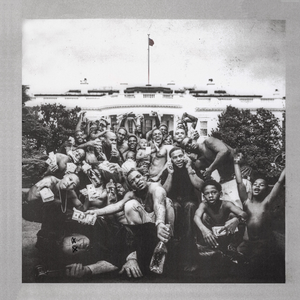

The Story
Released on March 15, 2015, To Pimp a Butterfly expanded Kendrick Lamar’s storytelling into a broader conceptual album that combined personal narrative, political commentary, and musical experimentation. Following the success of good kid, m.A.A.d city, Lamar began working with a wide range of musicians and producers, incorporating live instrumentation influenced by jazz, funk, and soul. The album was developed across multiple sessions and shaped into a unified narrative that traces themes of fame, identity, self-doubt, and social responsibility.
Wesley's Theory opens the album with a layered arrangement and introduces the central idea of success bringing both opportunity and exploitation. The track reflects on fame and the pressures that follow, setting the tone for the album’s exploration of personal and cultural identity. For Free? (Interlude) shifts into spoken-word delivery over jazz instrumentation, emphasizing Lamar’s interest in rhythmic phrasing and performance. King Kunta follows with a funk-driven groove, addressing empowerment and control while referencing historical and cultural influences.
Institutionalized and These Walls continue the narrative by exploring psychological pressure and the impact of environment. The album then moves into u, a track centered on internal conflict and self-criticism, representing a low point in the emotional arc. Alright follows as a more hopeful counterpoint, becoming associated with resilience and perseverance. These contrasting tracks highlight the album’s movement between introspection and outward commentary.
The recurring interludes For Sale? and later sections of the album introduce symbolic elements tied to temptation and self-reflection. Momma and Hood Politics return to themes of identity and experience, while How Much a Dollar Cost presents a narrative encounter emphasizing perspective and empathy. Complexion (A Zulu Love) addresses identity and perception, and The Blacker the Berry delivers a direct and confrontational statement on race and self-awareness.
You Ain't Gotta Lie (Momma Said) and i shift toward affirmation and self-acceptance, leading into Mortal Man, which closes the album. The final track incorporates spoken segments and reflections on leadership, responsibility, and legacy. Throughout the record, a recurring spoken poem appears in fragments, gradually expanding until its full form is revealed near the end, tying the album’s themes together.
To Pimp a Butterfly blends personal narrative with broader social commentary, using live instrumentation and layered production to support its conceptual structure. The album moves between introspection, political reflection, and cultural analysis, forming a cohesive arc that traces the tension between individual success and collective responsibility. By combining storytelling with diverse musical influences, the record presents a unified exploration of identity, fame, and social context.