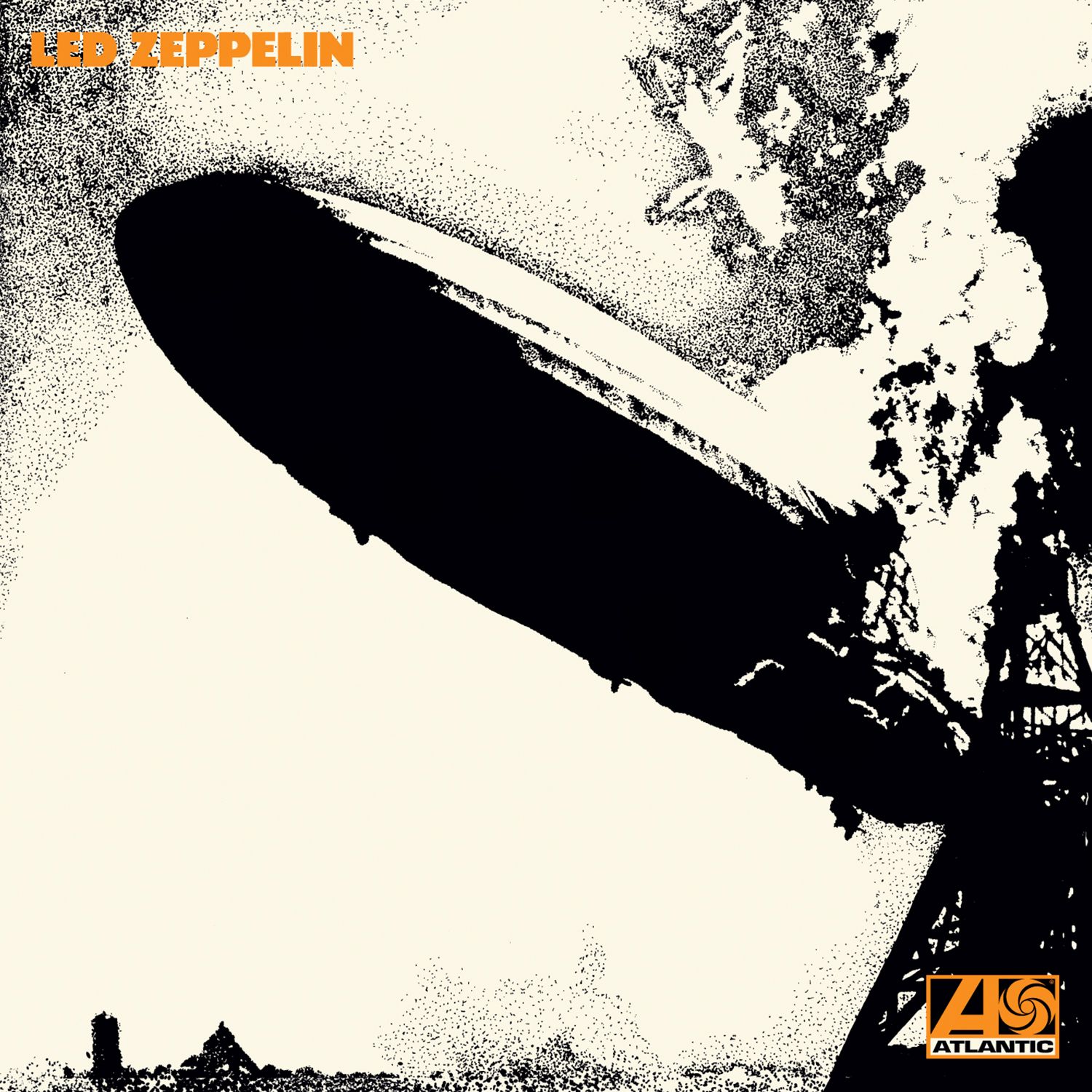
The Story
Released on January 12, 1969, Led Zeppelin marked the arrival of a band that redefined the possibilities of blues-based rock. Formed in 1968 by guitarist Jimmy Page after the dissolution of The Yardbirds, the group quickly came together with Robert Plant on vocals, John Paul Jones on bass and keyboards, and John Bonham on drums. Unlike many debut albums of the era, Led Zeppelin was recorded after the band had already developed strong chemistry through rehearsals and early performances, allowing them to capture a confident and fully formed sound. The album was recorded in a series of fast sessions at Olympic Studios in London, reportedly completed in around 30 hours of studio time, with Page self-producing and financing the project before securing a record deal.
Page’s production approach was central to the album’s identity. He focused on capturing the natural sound of the band in the room, using minimal overdubs and careful microphone placement to emphasize depth and space. Bonham’s drums were recorded with a powerful, resonant sound that would become one of the defining elements of Led Zeppelin’s music, while Page experimented with stereo panning and layered guitar textures. This approach gave the album a sense of immediacy and scale that distinguished it from more restrained rock recordings of the late 1960s.
Good Times Bad Times opens the album with a tightly structured riff and precise rhythm, immediately introducing the band’s balance of technical control and raw power. Bonham’s drumming, including rapid bass drum patterns, stood out as unusually forceful for the time. Babe I'm Gonna Leave You follows with dramatic shifts between quiet acoustic passages and full-band intensity, showcasing the band’s dynamic range and Plant’s vocal expression. These contrasts between soft and heavy would become a signature element of Led Zeppelin’s sound.
The album draws heavily from blues traditions while transforming them into something more aggressive and expansive. You Shook Me and I Can't Quit You Baby reinterpret blues standards with slower tempos, extended instrumental interplay, and amplified intensity. Rather than simply covering these songs, the band reshaped them through heavier arrangements and a more dramatic performance style. This approach would later become a subject of discussion, but it also reflects how the band absorbed and reworked blues influences into a new form.
Dazed and Confused stands as one of the album’s defining tracks. Built around a descending bass line, the song moves through multiple sections, including quiet passages, bowed guitar effects, and heavier climaxes. The structure reflects the band’s interest in extended compositions and improvisation, elements that would become central to their live performances. Your Time Is Gonna Come introduces organ and layered textures, while Black Mountain Side expands into acoustic territory influenced by folk and modal music, highlighting Page’s interest in non-traditional guitar techniques.
Communication Breakdown returns to a fast, concise format, driven by a rapid riff and energetic performance that would later influence punk and hard rock bands. The closing track, How Many More Times, serves as a long-form piece that combines multiple riffs, dynamic shifts, and improvisational sections. The track captures the band’s live approach, moving between structured passages and freer exploration.
Led Zeppelin established a blueprint that combined blues roots with heavier amplification, dynamic contrast, and extended composition. The album’s raw production, powerful rhythm section, and layered guitar work created a sound that felt both grounded in tradition and forward-looking. As a debut, it introduced a band that already sounded distinct and confident, setting the stage for the evolution of hard rock and influencing countless artists that followed.