
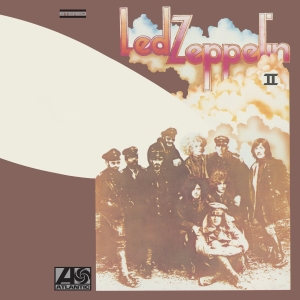

The Story
What They Thought Then
The Ohio State Lantern - October 29, 1969
Roger Lambert
"Page is flashier and less relevant than ever"
Lambert called the second album a bolder evolutionary step while praising Bonham and Jones as unusually interesting and more listenable within a heavy rock group.
Cash Box - November 1, 1969
"This one will reach the heights of the charts."
The unsigned trade review called the set a blockbuster, praised all four musicians, and said it was almost no longer complimentary to compare Page's playing with Eric Clapton's.
New Musical Express - November 8, 1969
Nick Logan
"MUSIC for the paranoic 20th Century city man"
Logan praised the record as another brilliant album, stressed its contrast between harsher rock and softer passages, and said it revealed more of Plant and the group.
Melody Maker - December 6, 1969
"Rough, uncompromising contemporary rock music"
The unsigned LP supplement singled out the musicianship and the band's ability to build excitement, presenting the record as evidence of how far rock had developed.
Rolling Stone - December 13, 1969
John Mendelsohn
"one especially heavy song extended over the space of two whole sides"
Mendelsohn also mocked Page as the world's heaviest white blues guitarist within a narrow height range and joked that Plant sang notes only dogs could hear.
The Village Voice - January 15, 1970
Robert Christgau
"so dirty they drool on demand"
Christgau graded the album B, admitted all the songs sounded alike, then asked whether the same objection should be held against Little Richard.
The Village Voice - January 22, 1970
Lucian K. Truscott
"AM record of the future and surprise of the present."
Truscott described hearing 'Whole Lotta Love' unexpectedly on AM radio, then said the album overcame his expectation of unlistenable heaviness and deserved a chance.