

The Story
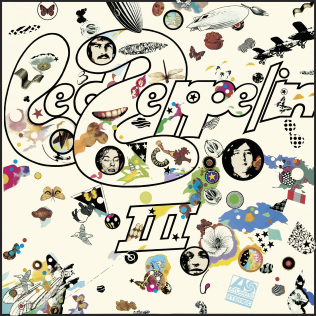
Released in October 1970, Led Zeppelin III marked a significant shift in the band’s sound, moving away from the predominantly heavy blues-rock approach of their first two albums toward a broader mix of acoustic, folk-influenced, and electric material. Much of the album was conceived after Jimmy Page and Robert Plant spent time at Bron-Yr-Aur, a rural cottage in Wales, where the absence of electricity encouraged acoustic songwriting. This environment shaped the album’s quieter textures and emphasis on arrangement, contrasting with the heavier sound that had already made the band popular.
The opening track, Immigrant Song, immediately presents a powerful, riff-driven statement, built around a repeating guitar figure and energetic vocal delivery. Positioned at the beginning, it reassures listeners expecting the band’s heavier style. However, the album quickly shifts direction with Friends, which introduces acoustic guitar, layered percussion, and a more atmospheric arrangement. Celebration Day returns to a driving electric sound, maintaining the album’s pattern of alternating between heavier and more restrained material.
Since I've Been Loving You stands as one of the album’s central blues-based pieces, featuring a slower tempo and extended instrumental interplay. The performance emphasizes dynamic control, with gradual builds and expressive guitar phrasing. Out on the Tiles follows with a tighter structure and rhythmic emphasis, bridging the album’s electric and acoustic sides.
The second half leans further into acoustic territory. Gallows Pole reinterprets a traditional folk song, gradually building from quiet acoustic instrumentation into a fuller arrangement. Tangerine presents a more reflective tone, combining acoustic guitar with subtle electric textures. That's the Way continues this introspective approach, focusing on melody and restrained accompaniment.
Bron-Y-Aur Stomp reflects the album’s rural inspiration, built around acoustic guitar and rhythmic accents that evoke a live, informal feel. The closing track, Hats Off to (Roy) Harper, returns to blues influence with slide guitar and processed vocals, bringing the album to a looser, experimental conclusion.
Led Zeppelin III balances acoustic songwriting with heavier rock arrangements, expanding the band’s musical range. By incorporating folk elements, traditional influences, and quieter dynamics, the album demonstrated that Led Zeppelin was not limited to hard rock. Its contrasts between electric power and acoustic intimacy helped define the band’s evolving identity and broadened the scope of their sound.