
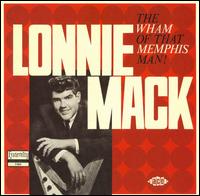
The Wham of that Memphis Man
By Lonnie Mack
The Story
The Wham of That Memphis Man was Lonnie Mack's debut album and the record that fixed his place as one of the early architects of blues-rock guitar. Released by the small Cincinnati label Fraternity Records in October 1963, it gathered material recorded in Cincinnati during the same year, including the hit instrumentals that first made Mack's name. The album did not become a massive chart success, but its influence grew far beyond its original commercial reach.
Mack's breakthrough came with 'Memphis', his instrumental reworking of Chuck Berry's 'Memphis, Tennessee'. Built around a fast, biting lead-guitar performance on his Gibson Flying V, the single reached the American pop Top 5 and showed how a rock guitar could carry a record as the main voice, not just as rhythm support or a short solo feature. 'Wham!' followed with another aggressive instrumental showcase, its title tied to Mack's use of the vibrato bar, often called a whammy bar. Together, those recordings helped point toward the louder, faster, more expressive lead-guitar language that later blues-rock and Southern rock players would expand.
The album is not only a guitar-instrumental record. It also presents Mack as a singer with roots in country, gospel, rhythm and blues, and soul. Songs such as 'Where There's a Will There's a Way', 'Why', and 'Down in the Dumps' reveal a raw, emotionally direct vocal style that later writers connected to the idea of blue-eyed soul. That combination is central to the album's character: fiery instrumental rock and roll on one side, aching soul-blues singing on the other.
The original LP sequence is important because later reissues changed the order and sometimes added extra material. The 1969 Elektra reissue For Collectors Only included additional tracks such as 'Farther on Down the Road' and 'Chicken Pickin'', but those were not part of the original Fraternity album. In its first form, The Wham of That Memphis Man was an eleven-track statement that moved between covers, Mack originals, instrumentals, and vocal performances without separating blues, rock and roll, country feeling, and gospel intensity into neat categories.
The album's reputation has grown because it captures a transitional moment in electric guitar history. Before the British blues-rock explosion and before the long guitar-hero era of the late 1960s, Mack was already pushing rock guitar toward speed, attack, sustain, and emotional expression. The Wham of That Memphis Man remains the clearest document of that early breakthrough: modest in scale, rough around the edges, but historically important for the way it helped make the electric guitar sound like a lead singer.