
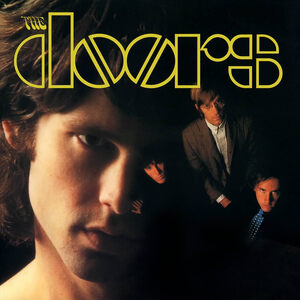
The Doors
By The Doors
The Story
The Doors' self-titled debut album introduced a sound and identity that immediately set the band apart within the rapidly evolving rock scene of the late 1960s. Formed in Los Angeles, the group combined elements of blues, psychedelia, and dark, poetic lyricism, anchored by Jim Morrison's distinctive voice and stage presence. Released in early 1967, the album arrived just as the counterculture movement was gaining momentum, and it quickly became associated with the era's sense of experimentation and boundary-pushing expression.
Much of the material on the album had been developed through extensive live performances at clubs such as the Whisky a Go Go, where the band refined its songs and established its reputation. This live foundation contributed to the album's cohesive feel, as many of the tracks were already well-formed before recording began. Producer Paul A. Rothchild and engineer Bruce Botnick helped translate the band's dynamic stage energy into a studio setting while preserving its intensity and atmosphere.
From the opening track, 'Break On Through (To the Other Side)', the album presents a sense of urgency and defiance, driven by a rhythmic groove and Morrison's call to transcend limitations. 'Soul Kitchen' draws inspiration from a real Los Angeles restaurant frequented by Morrison, blending personal experience with the band's blues-influenced style. In contrast, 'The Crystal Ship' offers a more delicate and introspective moment, highlighting the band's ability to shift between moods.
The album also reflects the group's diverse influences. 'Alabama Song (Whisky Bar)' is adapted from a composition by Bertolt Brecht and Kurt Weill, demonstrating the band's willingness to incorporate theatrical and European elements into their music. 'Back Door Man', originally written by Willie Dixon and popularized by Howlin' Wolf, connects the band directly to the Chicago blues tradition, while still transforming the song through their own darker and more intense interpretation.
The centerpiece of the album is 'Light My Fire', a track that became the band's breakthrough hit. Its extended structure, featuring a prominent organ introduction and instrumental passages, captured the spirit of improvisation and helped define the band's sound for a wider audience. The song's success played a major role in bringing the album to commercial prominence.
Closing the album is 'The End', a lengthy and atmospheric piece that evolved significantly from its early live versions into a complex and controversial recording. Known for its dramatic build and emotionally intense content, the song pushed the boundaries of what was acceptable in popular music at the time and became one of the band's most discussed works.
The Doors established the band's identity through its combination of poetic ambition, musical interplay, and a willingness to explore darker themes. The absence of a traditional bass guitarist, with Ray Manzarek often handling bass lines on keyboard, contributed to the group's distinctive sound. The album's success laid the foundation for the band's rapid rise and enduring influence, marking it as one of the defining debuts in rock history.