
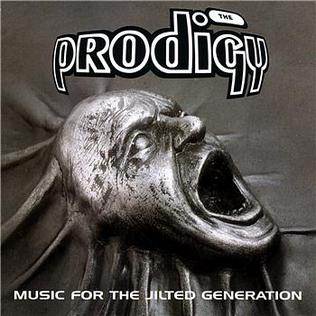

The Story
Released on July 4, 1994, Music for the Jilted Generation marked a major evolution for The Prodigy, expanding their sound beyond the rave-focused approach of their debut Experience. Created during a period when the UK government was introducing legislation aimed at restricting rave culture, the album reflects a more confrontational tone. Liam Howlett developed a darker and more complex sound, blending breakbeat hardcore with elements of techno, industrial, and emerging big beat styles.
The production is more layered and aggressive compared to the debut, with heavier basslines, distorted samples, and tighter rhythmic structures. Rather than relying solely on dancefloor repetition, the album introduces more variation in arrangement and pacing, moving between high-energy tracks and more atmospheric sections. This shift allowed the group to create a record that works both as a club-oriented release and a more structured listening experience.
Break & Enter opens the album with a dense, driving rhythm, immediately establishing the heavier tone. Their Law follows with a more direct and confrontational approach, becoming one of the album’s defining tracks. Full Throttle and Voodoo People continue the aggressive pacing, combining distorted guitar samples with breakbeat rhythms. Speedway (Theme from Fastlane) introduces a more cinematic and melodic section, providing contrast.
The Heat (The Energy) and Poison maintain the album’s intensity, while No Good (Start the Dance) became one of the record’s most recognizable tracks, built around a repetitive vocal sample and steady beat. One Love offers a more melodic and subdued moment before the closing section.
The Narcotic Suite forms the final part of the album, consisting of three connected tracks that shift into a more atmospheric and experimental direction. These pieces emphasize texture and gradual development rather than immediate impact, contrasting with the earlier high-energy tracks.
Music for the Jilted Generation emphasizes progression, contrast, and a broader sonic palette. The album blends aggressive rhythms with atmospheric elements, moving between structured compositions and dancefloor-driven tracks. With its darker tone and expanded production, the record helped define The Prodigy’s direction and became a key release in 1990s electronic music.