
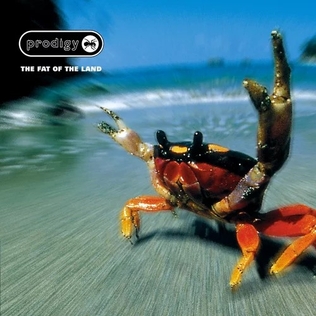

The Story
Released on June 30, 1997, The Fat of the Land marked the commercial peak of The Prodigy and represented a further evolution of their sound into a heavier, more aggressive direction. Following Music for the Jilted Generation, Liam Howlett expanded the group’s approach by incorporating stronger rock influences alongside electronic production. The album blends breakbeat rhythms with distorted basslines, guitar samples, and a more prominent vocal presence, particularly from Keith Flint and Maxim.
The production emphasizes a dense and confrontational sound, combining electronic sequencing with live performance energy. Compared to earlier releases, the tracks are more structured around vocal-driven arrangements, allowing the album to reach a broader audience while maintaining its intensity. The integration of punk and rock elements into electronic music helped define the big beat style at its most visible stage.
Smack My Bitch Up opens the album with layered samples and shifting rhythm, establishing a dark and immersive tone. Breathe follows with a more direct structure and became one of the album’s most recognizable tracks, driven by repetitive vocal hooks and heavy rhythm. Diesel Power introduces hip hop influences through its vocal delivery, while Funky Shit and Serial Thrilla maintain the album’s aggressive pacing.
Mindfields and Narayan expand the sound with layered textures and more atmospheric elements, while Firestarter became a defining track for the band, combining distorted basslines with a vocal-driven structure. Climbatize provides an instrumental section with slower development, leading into Fuel My Fire, which closes the album with a high-energy performance.
The Fat of the Land emphasizes intensity, structure, and crossover appeal. The album blends electronic production with rock and punk influences, creating a sound that moves between club environments and live performance settings. With its aggressive tone and strong identity, the record became a defining release in late-1990s electronic music and helped bring the genre to a wider global audience.