

The Story
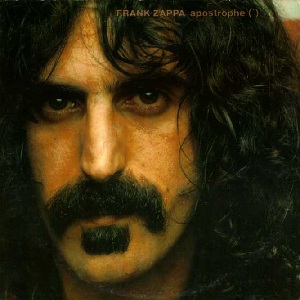
Released in March 1974, Apostrophe (') became Frank Zappa’s most commercially successful album and one of his most accessible blends of satire, instrumental musicianship, and tightly structured songwriting. Recorded during multiple sessions in 1973 and early 1974 with different lineups, the album assembles both narrative-driven material and standalone compositions into a compact and cohesive release. Unlike some of Zappa’s larger ensemble jazz projects of the early 1970s, Apostrophe (') returns to shorter song formats while retaining complex arrangements and instrumental interplay.
The album opens with a connected four-song suite that forms a continuous story. Don't Eat the Yellow Snow introduces a surreal narrative set in an Arctic environment, which flows directly into Nanook Rubs It, St. Alfonzo's Pancake Breakfast, and Father O'Blivion. These tracks transition seamlessly, combining humor, recurring musical motifs, and abrupt stylistic shifts. The suite mixes spoken-style storytelling with instrumental breaks, illustrating Zappa’s ability to integrate satire with compositional structure.
Cosmik Debris follows as one of the album’s most recognizable tracks, built around a steady groove and satirical lyrics aimed at mysticism and self-proclaimed spiritual figures. The song balances humor with a structured arrangement, featuring prominent guitar work and tight ensemble backing. Excentrifugal Forz moves into more experimental territory, with shifting rhythms and layered instrumentation that reflect Zappa’s ongoing interest in complex composition within shorter forms.
The title track, Apostrophe', closes the album with a largely instrumental piece featuring extended guitar passages and thematic development. The composition combines structured sections with improvisational elements, bringing together the album’s balance between accessibility and musicianship. The track also reflects Zappa’s continued focus on studio construction, with layered performances assembled into a concise final statement.
Apostrophe (') stands out in Zappa’s catalog for its balance between humor, narrative continuity, and instrumental precision. By combining a connected opening suite with standalone tracks, the album maintains conceptual cohesion without the length of his earlier double albums. Its accessible structure, memorable themes, and tight arrangements helped broaden Zappa’s audience while preserving the compositional complexity that defined his work.