
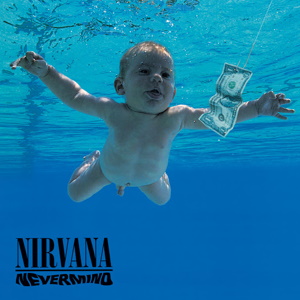

The Story
Released on September 24, 1991, Nevermind marked a turning point for Nirvana and for alternative rock more broadly. After the raw, abrasive sound of their debut Bleach, the band signed with a major label and began working with producer Butch Vig. The sessions took place in California and focused on refining the band’s dynamic songwriting—quiet verses that build into loud, distorted choruses—while preserving the emotional intensity of Kurt Cobain’s writing. Dave Grohl had recently joined as drummer, and his powerful, precise playing helped tighten the band’s sound and shape the album’s overall impact.
Smells Like Teen Spirit opens the record with a quiet introduction that erupts into one of the most recognizable riffs of the era. The song’s loud-quiet dynamics became central to the album’s structure. Its unexpected commercial success pushed the album into mainstream attention and introduced a wider audience to Nirvana’s sound. In Bloom follows with a melodic approach that contrasts with heavier choruses, while Come as You Are introduces a slower, hypnotic groove built around a repeating guitar figure.
Breed and Lithium continue the contrast between restrained verses and explosive sections. Lithium in particular emphasizes shifting dynamics, moving from quiet vocal delivery into louder passages. Polly provides a stark acoustic moment, recorded with minimal instrumentation, offering contrast before the intensity of Territorial Pissings. Drain You, one of Cobain’s personal favorites, blends melodic structure with experimental textures, including layered sound effects and abrupt transitions.
Lounge Act and Stay Away maintain the album’s energy, while On a Plain presents a more direct arrangement. The closing track Something in the Way slows the pacing dramatically, featuring subdued instrumentation and a minimal arrangement that contrasts with the album’s louder material.
Nevermind balances accessibility with raw emotion. The production emphasizes clarity while retaining the band’s intensity. The sequencing moves between aggressive tracks and quieter moments, creating dynamic contrast throughout. With melodic hooks, heavy guitar textures, and emotionally direct songwriting, the album expanded Nirvana’s audience and became a defining release of early 1990s alternative rock. The record’s impact extended beyond its sound, influencing the direction of mainstream rock and highlighting a shift toward alternative bands reaching wider recognition.