
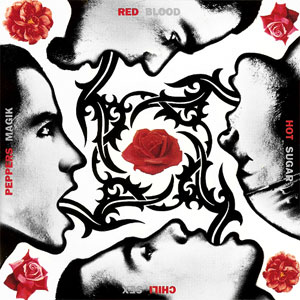

The Story
Released on September 24, 1991, Blood Sugar Sex Magik became a breakthrough album for Red Hot Chili Peppers and marked a defining moment in their evolution. The band recorded the album with producer Rick Rubin in a mansion setting in Los Angeles, aiming to capture a more organic and live-oriented sound. The sessions emphasized improvisation, extended jams, and spontaneous songwriting, allowing Anthony Kiedis, Flea, John Frusciante, and Chad Smith to develop material collaboratively. The result blended funk grooves, melodic songwriting, and heavier guitar textures into a cohesive album.
The Power of Equality opens with a tight funk groove and energetic delivery, followed by If You Have to Ask, which highlights the interplay between Flea’s bass and Frusciante’s guitar. Breaking the Girl introduces acoustic elements and layered arrangement, showing a more melodic direction. Funky Monks and Suck My Kiss return to heavier funk-driven rhythms. I Could Have Lied shifts into a more restrained ballad-style structure.
Mellowship Slinky in B Major and The Righteous & the Wicked continue the groove-based approach, leading into Give It Away, one of the album’s most recognizable tracks built around repetition and rhythmic emphasis. The title track Blood Sugar Sex Magik maintains the funk-oriented structure, while Under the Bridge presents a more introspective tone and became a major single.
Naked in the Rain and Apache Rose Peacock return to upbeat pacing, while The Greeting Song and My Lovely Man emphasize the band’s energetic style. Sir Psycho Sexy expands into a longer composition with multiple sections, and the closing track They're Red Hot provides a brief acoustic ending.
Blood Sugar Sex Magik blends funk, rock, and melodic songwriting into a cohesive statement. Recorded in an unconventional environment with emphasis on live performance energy, the album captures the band refining their sound. The combination of groove-driven tracks and introspective moments helped establish Red Hot Chili Peppers’ wider recognition and defined a major phase of their career.